
Non Ablative Laser Rejuvenation
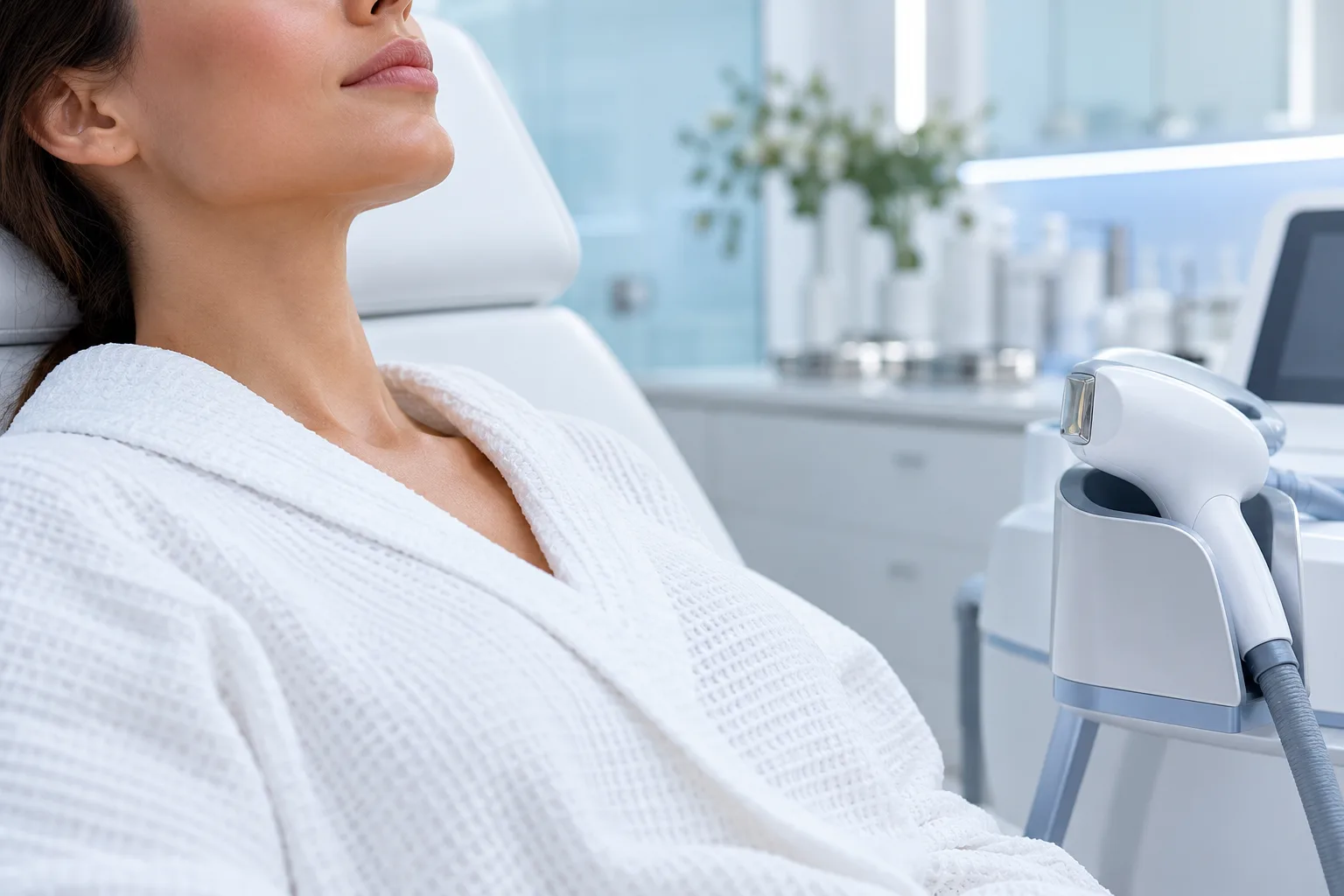
A little flushing after a treatment, with no broken skin, is a small detail that points to the difference between the two broad kinds of laser rejuvenation: those that break the surface of the skin and those that do not.
Non-ablative treatment is the second kind. The sections below follow what the sources say about how it works, how many sessions it takes, what recovery looks like and what to do afterward.
What non-ablative means
The American Society for Dermatologic Surgery describes non-ablative skin rejuvenation as using a laser to improve the appearance of wrinkles, brown spots and minor scars by creating heat in the skin without injuring the surface of the skin. The heat generated by the laser promotes collagen production, which causes the skin to tighten and look young and healthy.
Cleveland Clinic draws the contrast with ablative treatments. Non-ablative treatments cause minimal discomfort following the procedure, and most people are generally able to return to daily activities immediately, although they may appear flushed. Even though the impact on the skin is less dramatic, Cleveland Clinic says non-ablative lasers are still able to achieve substantial improvement.
Why the fractional approach matters
The American Society for Dermatologic Surgery explains that nonablative lasers often are fractionated. They deliver heat into the skin through thousands of tiny, deep columns known as microthermal treatment zones, with normal untreated skin left between them.
According to that source, the fractional approach allows the skin to heal much faster than if the entire area were treated. It lessens the recovery period and reduces the number of complications that can occur.
For a closer look at the fractional method, dermatologic surgeons publish a page on fractional laser resurfacing for aging skin.
What the wavelengths are for
Cleveland Clinic describes one non-ablative resurfacing laser that improves the texture of the skin and helps the appearance of scars. It does not break the surface of the skin but delivers heat to the deeper layers, allowing for rapid recovery, improvement of overall texture and skin tightening.
The same source describes two wavelengths. The 1927 nm wavelength is more superficial and improves sun-induced freckles, melasma, hyperpigmentation, age spots and shallow wrinkles, and Cleveland Clinic says it is safe for all skin types.
The 1550 nm wavelength is deeper and improves overall skin color, tone and texture, including wrinkles and scars, whether surgical or acne scars. It treats a small fraction of the total skin, 15 to 25 percent per treatment, which allows rapid healing. Patients usually need four to six treatments for best results.
The practical question follows from that: which wavelength is proposed, and for which of your concerns.
Sessions and maintenance
The American Society for Dermatologic Surgery says multiple sessions are needed in most cases. Cleveland Clinic adds that for the best results you may need multiple non-ablative treatments, usually spaced many weeks apart, and that continued treatments are needed to maintain results.
Ask what the schedule looks like after the initial series ends.
Comfort and recovery
According to the American Society for Dermatologic Surgery, a topical anesthetic is usually applied to the treatment area to minimize discomfort, and pain is usually minimal.
Recovery time following the procedure is minimal, the same source says. Improvement is gradual and can take several months to take full effect. Most patients can return to work immediately after the procedure.
Aftercare
The American Society for Dermatologic Surgery lists several aftercare steps. The treatment area should be kept well moisturized, and patients should avoid sleeping on the treated area to prevent prolonged swelling. Cold compresses can be applied to alleviate pain.
Sun exposure should be avoided after the treatment, and broad spectrum sunscreens of at least SPF 30 should be applied daily.
Matching the laser to the concern
Begin with the concern, whether wrinkles, brown spots, scars or texture. Then ask which wavelength is being proposed, how many sessions are expected, how far apart they are spaced and what maintenance follows.
Readers comparing options can start with the overview of laser resurfacing.