
Comparing Skin Rejuvenation and Resurfacing Methods
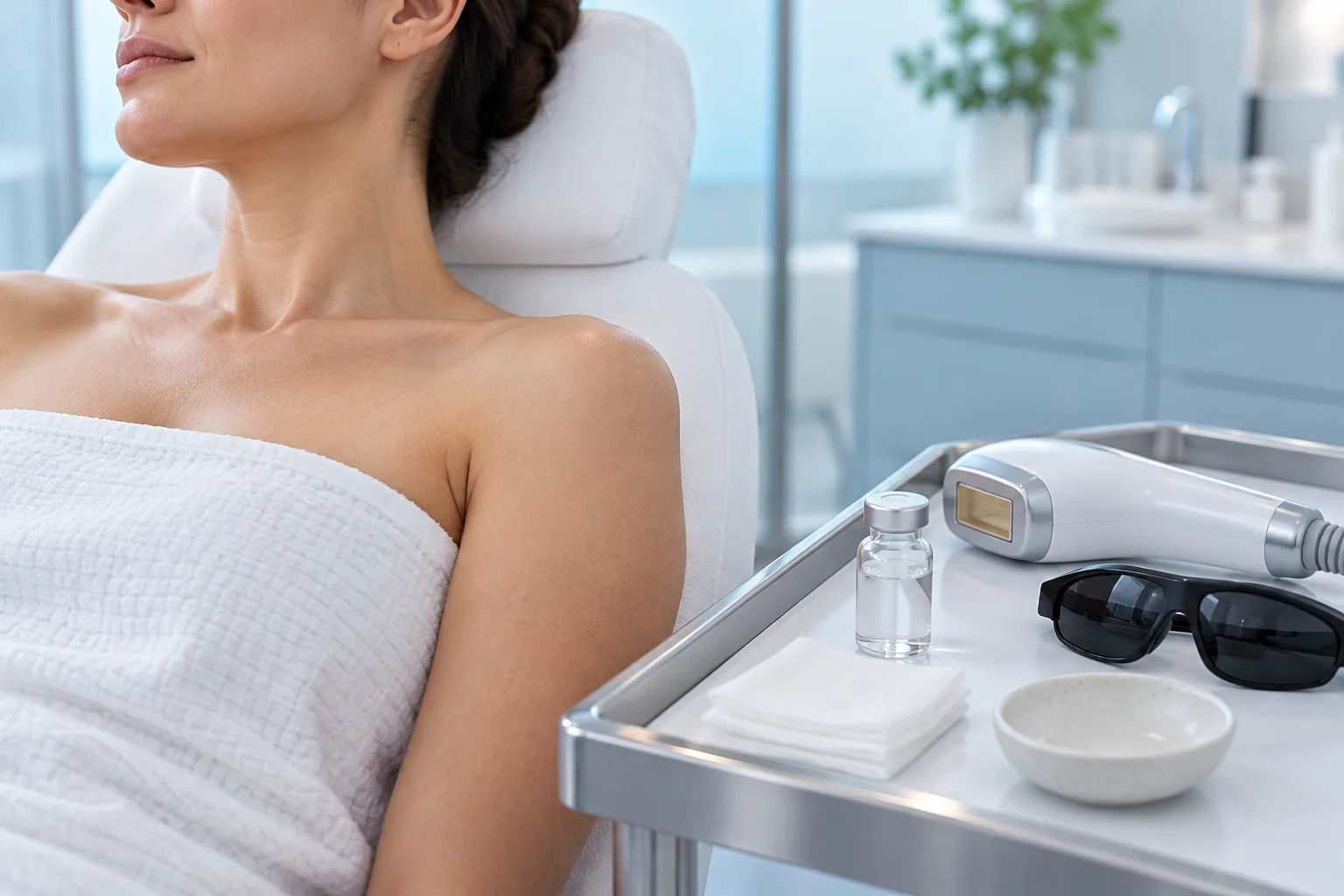
Fine lines, uneven tone and rough texture can look like one problem, and the treatments named for them can look like one choice. They are not, and the first step in comparing them is to describe what you see.
The comparison below covers laser resurfacing, fractional lasers, non-ablative lasers and chemical peels using published descriptions: what each one is for, how long recovery is described as taking and what to ask. It does not rank them.
What is being compared
The American Society of Plastic Surgeons says sun, skin disorders, aging and even heredity can all contribute to skin irregularities, including textural irregularities such as wrinkles and acne scars and pigmentation changes such as freckles, sunspots or visible blood vessels. The American Society of Plastic Surgeons adds that skin may lose tone, feel less firm and lose the healthy glow of younger skin, and that different treatment modalities are available to treat the different aspects of skin damage.
The American Society of Plastic Surgeons names laser resurfacing, mechanical resurfacing, chemical peels and injectable products as treatments that can improve the appearance of fine lines and wrinkles, and says they can also address pigmentation disorders and improve the appearance of acne scars.
Describe the sign first
The American Society of Plastic Surgeons describes static wrinkles as wrinkles that are visible at all times and do not change in appearance with facial movements. It describes scars from acne or injury as rolling (a wavy appearance to the skin), pitted, discolored or having raised borders.
Those descriptions give you words to use. Photograph the area, note whether a line stays when your face is still, and write down whether a mark is flat, pitted or raised. A clinician can compare methods with you much more easily when the problem has been described first.
Full laser resurfacing: the strongest option and the longest recovery
The American Academy of Dermatology says laser resurfacing is the most effective procedure for tightening loose skin, and that it can tighten skin usually better than any other skin-tightening procedure. The American Academy of Dermatology says you will need to stay home for 5 to 7 days, and that after you heal you will see tightening and fewer wrinkles within 2 weeks. The American Academy of Dermatology names the trade-off: it requires downtime and has a greater risk of possible side effects, such as scarring.
The American Society for Dermatologic Surgery gives a different range for healing, saying it takes three to 10 days, depending on the depth of the resurfacing and the type of laser used. The two ranges overlap but do not match. Ask which depth and which laser your plan assumes, then count the days you would need to set aside. The dermatology society's page on laser resurfacing is the general reference for the category.
Ablative and non-ablative lasers
Cleveland Clinic says ablative laser and light-based treatments are typically performed under general anesthesia or sedation, while non-ablative treatment does not need either because it is less invasive and causes minimal discomfort.
Cleveland Clinic says that when ablative treatment is properly performed, it can visibly reduce the appearance of fine lines and, in some cases, deeper wrinkles. Because it targets the whole tissue layer, burning away the epidermis, Cleveland Clinic says your face may look and feel as if you have a severe sunburn, and your skin may be raw, ooze or blister for several days and, once healed, can be red for several weeks.
Cleveland Clinic says non-ablative lasers are still able to achieve substantial improvement, though their impact on the skin is less dramatic. It says the best results may take several treatments spaced many weeks apart, with more treatments later to keep them.
The cost of the gentler route is time and repetition. Compare days of recovery with visits spread over many weeks. The dermatology society's page on non-ablative laser rejuvenation is useful to read next to the resurfacing pages to see how the descriptions differ.
Fractional lasers and short recovery
The American Society for Dermatologic Surgery says recovery time after fractional laser treatment is minimal and that many patients observe positive changes within a few days.
A short recovery is the part that draws attention. Ask how many sessions the plan needs and how far apart they are. The society's page on fractional laser resurfacing for aging skin shows how one approach within laser resurfacing is described on its own.
Chemical peels
Chemical peels are one of the treatments the plastic surgery society lists for fine lines and pigmentation. A hospital system publishes a page on chemical peels, including types, conditions treated and what to expect. Its title lists three things worth looking for in any method: what types exist, which conditions it addresses and what the experience is like.
Series, and protecting the result
The American Society of Plastic Surgeons says most skin treatments require a series of treatments and a multi-modality approach to achieve excellent results. The American Society of Plastic Surgeons says that most importantly, the patient must be committed to protecting their skin going forward so that the results achieved will be longer lasting.
That sets a fair test for any method. Use the same four questions for each one.
- What concern is it meant to address?
- What happens during and after treatment?
- What problems should I watch for?
- What is the full cost, including repeat visits?
Putting the comparison to use
Put the answers for each method in one table and take it to a clinician. A concern that began small is easier to discuss when you arrive with the comparison already done, and the table makes it clear where a provider's answers differ from the published descriptions.