
Is Red Light Therapy Worth It
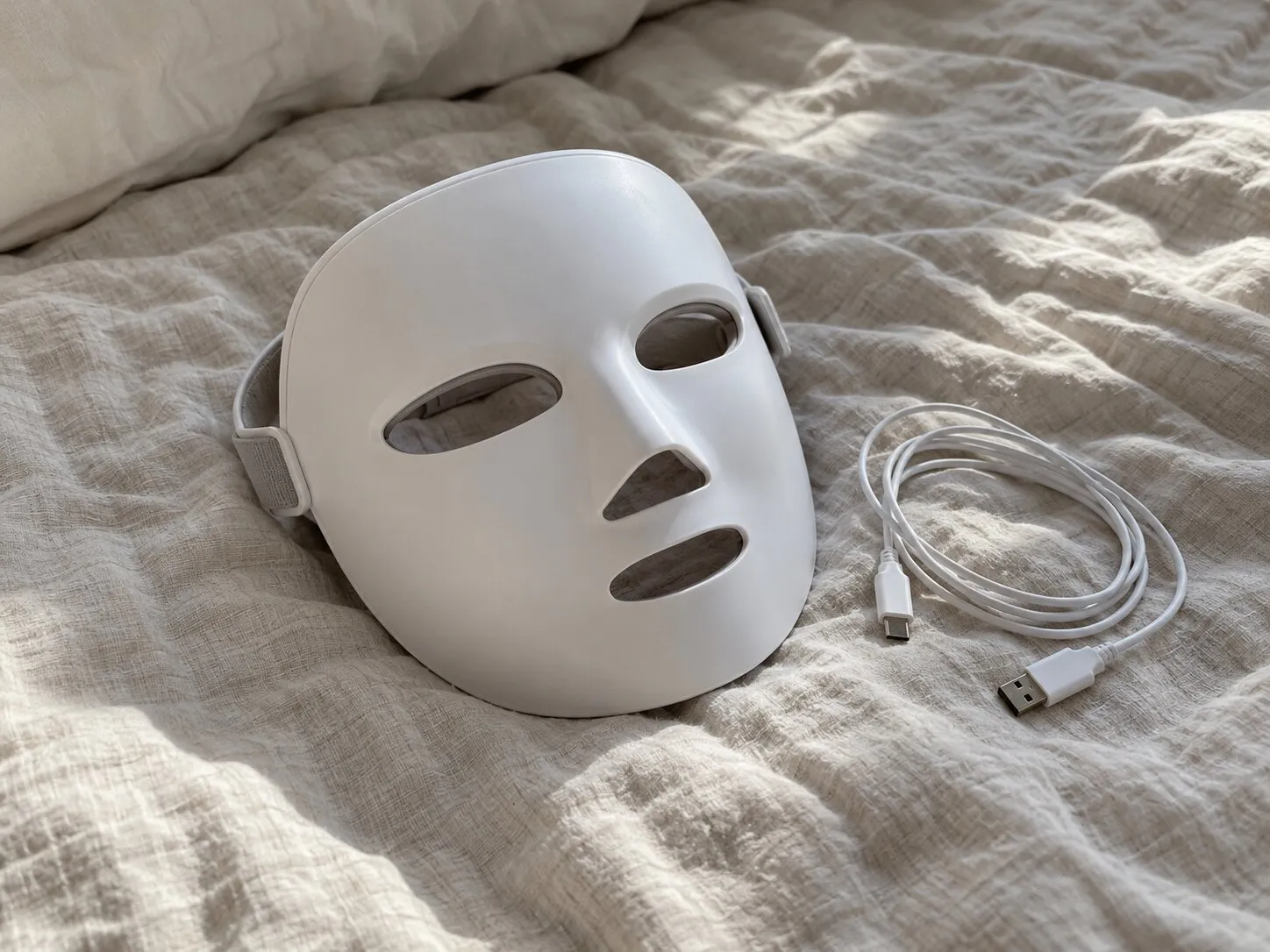
A glowing panel on a spa menu or a boxed device in an online cart looks harmless. The smaller and more useful question is what it is meant to do for your skin.
Whether red light therapy is worth it depends on a specific goal, what has been studied for that goal and what the whole course costs. The sections below cover what the treatment is, where it fits in a plan, what the studies found, the side effects, the risk for darker skin tones, what a device label means and what it costs to keep going.
What red light therapy is
The American Academy of Dermatology describes red light therapy as a non-invasive treatment that uses red or near-infrared light, also called photobiomodulation. The American Academy of Dermatology says a few dermatologists offer it to treat acne, signs of aging such as wrinkles, hair loss and other conditions. It also notes that the red light dermatologists offer is more powerful than the light in devices sold for at-home use.
That list of uses is wide, which is why the first question should be narrow. Which one of those conditions do you hope to change? An answer such as "my skin looks tired" is too broad to check later. The dermatology society's overview of laser and light therapy is a place to read about the wider family of light-based treatments.
Where it fits in a treatment plan
The American Academy of Dermatology says that to give patients the best results, dermatologists typically recommend red light as a complementary therapy, meaning it is part of a treatment plan that uses standard therapy. For signs of aging, the American Academy of Dermatology gives the example of a dermatologist adding red light to a plan that includes a medicated cream, microneedling or a chemical peel.
That wording changes the question. "Is red light worth it?" becomes "What does red light add to the plan I already have?" If a provider offers red light as the whole plan, ask which standard therapy it is meant to sit beside and why that part is missing.
What the studies found
The American Academy of Dermatology describes one study in which 90 patients received 8 LED red-light treatments to their face over 4 weeks, and more than 90% said they noticed some improvement, including softer and smoother skin, less redness and lightening of dark spots.
Notice the wording: the patients said they noticed improvement. That tells you what people perceived, so ask a provider what was measured.
For hair, the American Academy of Dermatology says that in large randomized controlled trials, which it calls the best type of study for drawing conclusions, red light therapy has led to some hair regrowth, with increased hair thickness and length. The skin result and the hair result answer different questions, so check which goal a piece of evidence is actually about before you apply it to yours.
What a device label does not tell you
The American Academy of Dermatology explains that FDA cleared does not tell you anything about how effective a device is, and only means the device is considered safe. A box that says cleared answers the safety question. Effectiveness for your goal is a separate question, and if a seller answers it with the word cleared, ask it again.
On at-home devices, the American Academy of Dermatology says that although FDA clearance and the research results are encouraging, it is difficult to know how effective they are, because researchers study different devices, test them for differing amounts of time and design their studies to answer different questions. The academy says this means results from different studies cannot be compared and that more research is needed.
The academy's page on whether red light therapy is right for your skin is worth reading in full before you buy a device or book a session.
Side effects, and a risk that depends on skin tone
The American Academy of Dermatology says red light therapy appears safe in the short term, that research has not found it can cause any type of cancer, unlike ultraviolet light, and that the most common side effects are mild, such as temporary mild pain or irritated skin.
Irritated skin is the smallest signal to watch. Note when it started, how long it lasted and whether it came back after the next session, and tell the provider.
The American Academy of Dermatology says research shows people with darker skin tones are more sensitive to visible light, such as red light, than people with lighter skin tones. The American Academy of Dermatology adds that this sensitivity can lead to hyperpigmentation, and that the resulting dark spots can be more intense and longer lasting than dark spots caused by invisible light, such as sunlight.
If your skin tone is darker, say so before the first session, ask how the provider handles it and look for new dark spots early.
Cost and commitment
The American Academy of Dermatology says red light therapy is not a one-and-done treatment. When using a red-light device at home, the American Academy of Dermatology says you will need to use it regularly, and the amount of time needed varies, so you should follow the directions that come with the device.
The American Academy of Dermatology also says red-light devices are expensive, with costs often ranging from $100 to more than $1,000. Add the price of the device to the time you will spend using it, and compare the total with the one change you want.
Deciding whether it is worth it
Red light therapy may be worth it when there is one named goal, evidence that matches that goal, a plan that includes standard therapy and a total cost you have added up. If any of the four is missing, wait and ask more questions first.
Photograph the area you want to change in steady light, write the goal in one sentence and bring both to a dermatologist. A provider who can work from those two things is easier to judge than one who cannot.